
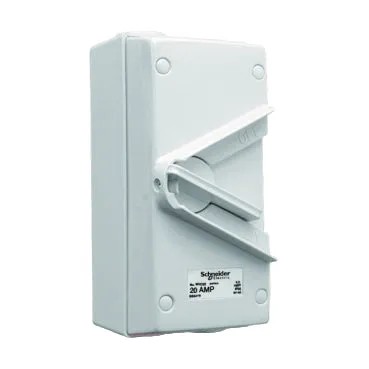
Certain electrical faults show up again and again in UAE homes, often linked to the specific challenges of the local climate — heat, dust, humidity swings — combined with common installation and usage patterns. Understanding what typically causes each fault helps you know when a simple fix applies and when it is time to call a licensed electrician.
1. A Breaker That Trips Repeatedly
Frequent tripping usually indicates either a genuine overload on the circuit, a developing fault such as damaged insulation, or occasionally an undersized breaker for the actual connected load. If a specific circuit trips repeatedly, unplug everything on it and reintroduce devices one at a time to identify whether a specific appliance is the cause, or whether the circuit breaker itself may need review by an electrician for correct sizing.
2. Flickering Lights
Flickering is often caused by a loose connection somewhere in the circuit — at the fixture, the switch, or within the distribution board itself — rather than the bulb alone, particularly if multiple fixtures on the same circuit are affected. Loose connections are a genuine fire risk over time and warrant prompt professional attention rather than simply replacing bulbs repeatedly.
3. Warm or Hot Socket Outlets
A socket outlet that feels warm to the touch during normal use indicates a genuine problem — either a loose internal connection, an overloaded circuit, or a failing socket itself. This should never be treated as normal and warrants immediate attention, since continued use risks the connection worsening into a fire hazard.
4. RCCB or ELCB Tripping Unexpectedly
An earth leakage device tripping without an obvious cause often indicates minor leakage current somewhere in the connected circuits — sometimes from ageing appliance insulation, sometimes from moisture ingress into an outdoor fixture. While occasional nuisance tripping can have benign explanations, persistent unexplained tripping of a RCCB or ELCB should be investigated rather than ignored or, worse, disconnected.

5. Buzzing Sounds from the Distribution Board
A persistent buzzing sound from a distribution board or specific breaker is not normal and often indicates a loose connection or a failing device under load. This is one of the clearer audible warning signs that professional inspection is warranted promptly, rather than a sound to simply live with.
6. Discoloured or Scorched Outlets and Switches
Visible discolouration or scorch marks around a socket or switch plate indicate that overheating has already occurred, which is a serious fire risk sign. Any outlet or switch showing this should be immediately taken out of use and inspected by a licensed electrician — this is not a cosmetic issue to defer.
7. Circuit Breakers That Won't Reset
A breaker that trips again immediately upon resetting, or will not reset at all, usually indicates a genuine short circuit or significant fault downstream on that circuit, rather than a simple overload. This requires professional diagnosis to locate and correct the underlying fault before the circuit can be safely restored.
8. Reduced Performance from AC or Major Appliances
Occasionally, reduced performance from air conditioning or major appliances traces back to an electrical supply issue — a partially loose connection, an undersized circuit, or a failing isolator or protective device rather than a purely mechanical fault. If a mechanical technician cannot identify the cause, it is worth having the electrical supply to the unit checked as well.
9. Sparking When Plugging In Devices
A small, momentary spark when plugging in some devices can be normal in certain circumstances, but persistent, larger sparking indicates a problem with the socket, plug, or connected device that should be investigated rather than continued use of that outlet.
10. Inconsistent Power in Different Rooms
Noticeably weaker or inconsistent power in specific rooms compared to others, particularly in a larger property, can indicate voltage drop from undersized cabling over long circuit runs, or a loose connection somewhere along that specific circuit's path — both worth having assessed by a licensed electrician.
When to Call an Electrician Immediately
Any burning smell, visible scorching, persistent buzzing, or repeated tripping that does not resolve after isolating the connected devices warrants prompt professional attention. These are not faults to defer or attempt to work around — UAE's climate conditions can accelerate the progression of minor electrical issues into genuine hazards faster than in more temperate environments.
Frequently Asked Questions
Is it safe to keep resetting a breaker that keeps tripping?
No — repeated resetting without identifying and addressing the underlying cause risks masking a genuine fault that could develop into a fire hazard.
Why do electrical faults seem more common in UAE homes?
Heat and dust can accelerate wear on cables, connections and equipment compared to more temperate climates, making periodic checks and prompt attention to warning signs particularly important locally.
Can I fix a tripping breaker myself?
Simple steps like unplugging devices to identify an overloaded circuit are reasonable for a homeowner, but any suspected fault, loose connection or persistent issue should be diagnosed and repaired by a licensed electrician.
Should I be concerned about occasional, explained breaker trips?
An occasional trip with a clear cause, like accidentally overloading a circuit with too many high-power devices, is less concerning than unexplained or persistent tripping, which warrants investigation.
Genuine Replacement Parts When You Need Them
If a fault diagnosis identifies a failed device, Electrical Market UAE stocks genuine replacement MCBs, RCCBs and isolators, with fast delivery across the UAE.
Why Prevention Beats Diagnosis
Every fault covered in this guide is more costly and disruptive to diagnose and fix after it occurs than it would have been to prevent through correct initial installation and periodic maintenance. Genuine protective devices correctly sized and installed from the outset, combined with the periodic checks covered in our home safety checklist, prevent the majority of these common faults from ever developing in the first place.
Keeping a Simple Fault Log
For homeowners who experience occasional electrical issues, keeping a brief note of when and what happened — which breaker tripped, what was running at the time, any unusual sounds or smells — genuinely helps an electrician diagnose the root cause faster than starting from scratch, since patterns over time often reveal the true underlying issue more clearly than a single isolated incident.
Trusting Your Instincts
If something about your home's electrical behaviour feels genuinely different or concerning, even if you cannot precisely articulate why, it is worth having it checked rather than dismissing the instinct. Many homeowners who eventually called an electrician after a period of low-level unease later confirmed their instinct had correctly flagged a real, developing issue.
The Value of a Relationship With a Trusted Electrician
Having an established relationship with a licensed electrician you trust, rather than searching for one only during an emergency, means faster response when something like the faults in this guide occurs, and someone already familiar with your property's specific installation history and any previously replaced devices or components.
Putting It All Together
Across all ten faults covered in this guide, a consistent theme emerges: early attention to small warning signs prevents larger problems, and genuine, correctly rated equipment like MCBs and RCCBs from reliable suppliers forms the foundation that prevents many of these faults from developing in the first place. Combining quality equipment with attentive, prompt response to warning signs is the most effective strategy any UAE homeowner can adopt.
Your Next Step
If reading through this list brought to mind a specific issue you have been meaning to address in your own home, treat this as the prompt to act on it now rather than deferring further. Electrical faults very rarely resolve themselves and very often develop into more serious, more costly problems the longer they are left unaddressed.
Closing Summary
Most of the faults in this guide are preventable with correctly specified protective devices and prompt attention to early warning signs — the small effort of vigilance pays for itself many times over.