
Electrical safety in the home is not a one-time installation concern — it requires periodic checking, particularly in the UAE's climate where heat and humidity can accelerate wear on cables and equipment. This checklist walks through what to verify, room by room, and the protective devices that should be in place throughout.
Distribution Board Checks
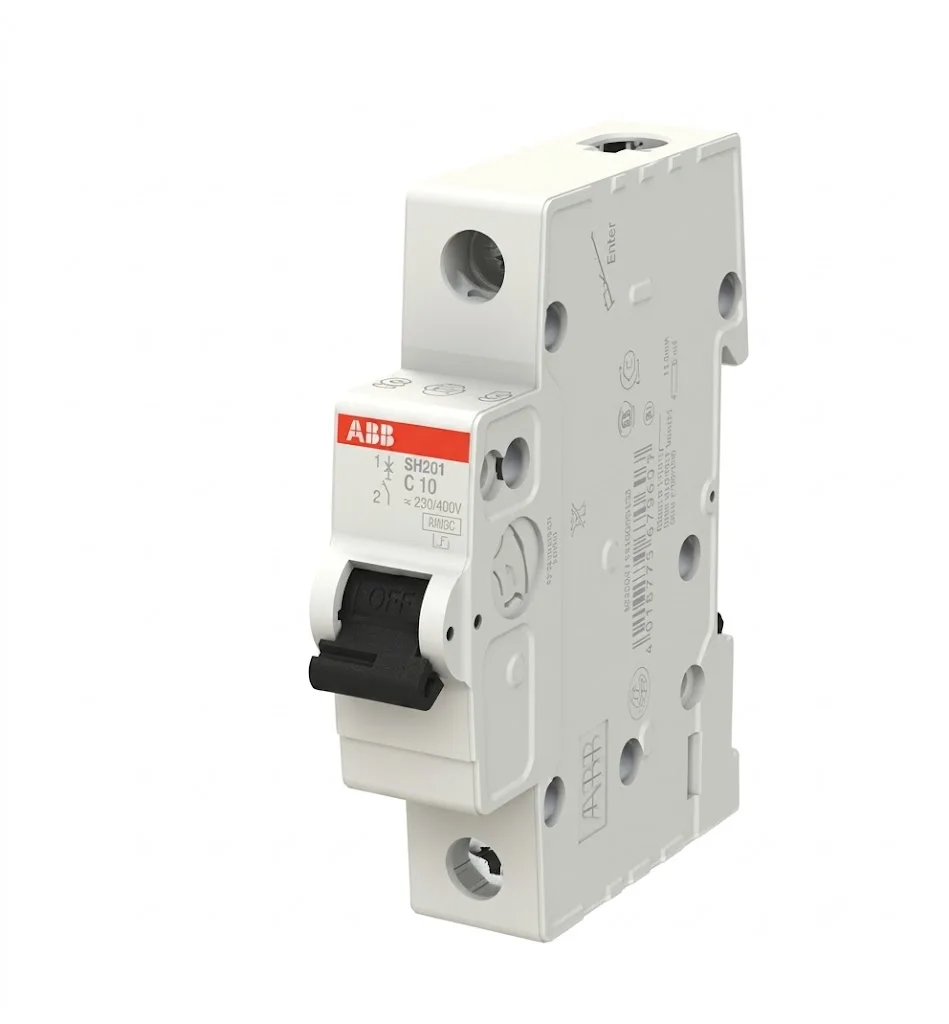
Start at the source. Confirm your distribution board has correctly rated MCBs for each circuit, with no signs of overheating, discolouration or burning smell around any breaker. Verify RCCB or ELCB earth leakage protection is present and test it monthly using the built-in test button. If your board is older or you are uncertain what protection is installed, having a licensed electrician conduct a full assessment is a worthwhile investment in genuine peace of mind.

Kitchen Safety Checks
Kitchens combine water, heat and high-power appliances, making them one of the higher-risk rooms in any home. Check that socket outlets near sinks or water sources are on earth leakage protected circuits, that appliance cables show no fraying or damage, and that high-power appliances like ovens and washing machines are on dedicated circuits rather than sharing a general socket circuit with multiple other devices.
Bathroom Safety Checks
Bathrooms carry the highest electrical shock risk in a home due to water exposure. Confirm that any electrical fixtures are appropriately rated for the specific bathroom zone they are installed in, that earth leakage protection is present on all bathroom circuits, and that no unauthorised extension cords or portable heaters are used in the bathroom — a common and genuinely dangerous practice worth actively discouraging in any household.
General Living Areas and Bedrooms
Check that socket outlets are not overloaded with multiple adapters or extension leads running simultaneously at high load, that cables running under carpets or furniture are not being pinched or damaged, and that any DIY electrical work — extensions, added sockets — was completed by a qualified electrician rather than an informal, unpermitted installation.
Outdoor and Garden Electrical Safety
Outdoor circuits face UAE's heat, dust and occasional heavy rain, making weatherproof, appropriately IP-rated equipment essential. Any outdoor socket or fixture should be genuinely rated for outdoor use, protected by earth leakage devices, and ideally use isolators like the IP66-rated surface mount isolating switch for equipment requiring local disconnection such as pool pumps or garden lighting transformers.
Signs That Warrant Immediate Attention
- Warm or discoloured socket outlets or switch plates.
- A persistent burning smell near any electrical fixture or panel.
- Frequent, unexplained breaker tripping.
- Flickering lights not explained by a simple bulb issue.
- Any exposed wiring or damaged cable insulation.
Any of these signs justifies calling a licensed electrician promptly rather than waiting — they are often early warning signs of a developing fault that can become a genuine fire or shock hazard if left unaddressed.
A Simple Annual Routine
- Test all RCCB/ELCB devices using their test buttons.
- Visually inspect the distribution board for any signs of overheating or damage.
- Check major appliance cables and plugs for wear.
- Confirm outdoor fixtures remain weatherproof and undamaged.
- Address any of the warning signs above immediately if noticed at any point during the year, not just during this annual check.
Frequently Asked Questions
How often should a UAE home have a full electrical inspection?
A general guide is every few years for an otherwise well-maintained home, though older properties or homes with any of the warning signs above should be checked sooner.
Is DIY electrical work legal in UAE homes?
Significant electrical work generally requires a licensed electrician in the UAE, both for safety and for compliance with DEWA and municipality regulations — check specific local requirements before undertaking any work yourself.
What is the single most important safety device to check?
Earth leakage protection (RCCB/ELCB) is the device most directly responsible for preventing fatal shock, making it the highest priority to verify is present and functioning.
Can overloaded sockets really cause a fire?
Yes — sustained overload generates heat that can damage cable insulation and surrounding materials over time, which is a genuine and well-documented fire risk.
Genuine Protective Devices for Your Home
Electrical Market UAE supplies the full range of protective devices covered in this checklist — MCBs, RCCBs and isolators — genuine and DEWA-compliant, with fast delivery across the UAE.
Why Rental Properties Need Extra Attention
Tenants in rental properties are often not in a position to modify or inspect the electrical installation themselves, which places responsibility on landlords to ensure genuine compliance and safety before and during tenancy. If you are a landlord, treating this checklist as a pre-tenancy requirement, not an optional extra, protects both your tenants and your legal position.
Seasonal Considerations for UAE Homes
UAE's intense summer heat places additional strain on electrical systems, particularly air conditioning circuits running near-continuously for months. Before peak summer, it is worth specifically checking that AC circuits and their isolators show no signs of heat stress or wear from the previous season, since this is when the highest sustained loads occur and any marginal weaknesses are most likely to become apparent.
Building a Culture of Electrical Safety at Home
Beyond the technical checklist, cultivating basic household awareness — not overloading sockets, reporting warm outlets promptly rather than ignoring them, keeping water away from electrical fixtures — meaningfully reduces risk alongside the physical protective devices themselves. The best-protected home combines correctly installed equipment with sensible daily habits from everyone living there.
Involving the Whole Household
Electrical safety awareness works best when the whole household understands basic practices, not just whoever manages home maintenance. Taking a few minutes to explain to family members why certain outlets shouldn't be overloaded, or why a warm switch plate should be reported immediately, extends the practical safety benefit of this checklist beyond a single person's vigilance.
Making This Checklist a Living Document
Rather than treating this checklist as a one-time read, consider printing or saving it and revisiting it annually, or whenever you notice any warning sign discussed earlier. Pairing this checklist with genuine, certified protective devices like RCCBs and MCBs from a reliable supplier gives you both the physical protection and the ongoing awareness needed to keep a UAE home genuinely safe over time.
When Professional Help Is the Right Call
This checklist empowers property owners to catch obvious issues, but it is not a substitute for periodic professional inspection, particularly for older properties or after any renovation work. Use this guide to stay informed and proactive, but do not hesitate to bring in a licensed electrician whenever something falls outside your own confidence to assess.
Keep This Guide Accessible
Consider saving or bookmarking this checklist somewhere easily accessible, so that the next time you notice a warning sign — a warm socket, an unexplained trip, a flickering light — you have a ready reference for what it might mean and what to check, alongside a reminder to source any genuine replacement protective devices you may need.
A Checklist for New Home Buyers
If you are purchasing a property in the UAE, running through this checklist, or having a professional do so on your behalf, before finalising the purchase is genuinely valuable. Identifying missing earth leakage protection or other gaps before purchase gives you negotiating leverage and avoids inheriting a safety issue unknowingly.
Making Safety a Habit, Not a Project
The most electrically safe UAE homes are not the result of one thorough inspection, but of an ongoing habit of noticing and promptly addressing small warning signs as they appear. Treat this checklist as the starting point for that habit, not a single task to complete and forget.
Closing Summary
A UAE home protected with genuine earth leakage devices, correctly sized breakers, and regular attention to the warning signs in this guide is a genuinely safe home — and every step toward that standard is worth taking.