
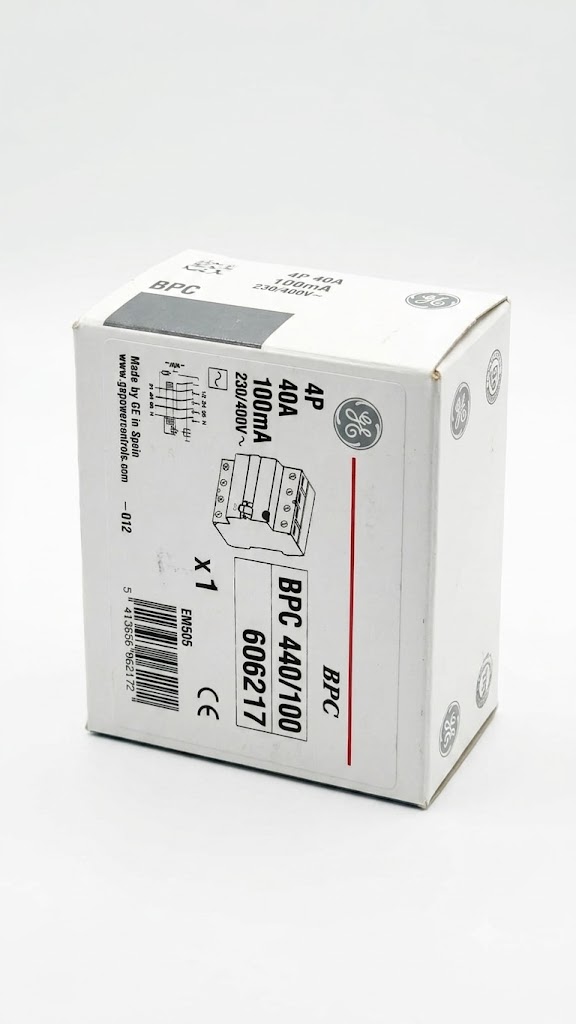
DEWA (Dubai Electricity and Water Authority) sets the standards that govern electrical installations across Dubai, and similar authorities apply across other emirates. For property owners, understanding what compliance actually involves — beyond just having power that works — protects both safety and the long-term value of a property. This guide covers what matters most.
Why Compliance Is About More Than Just Having Power
It is entirely possible for an electrical installation to function day-to-day while still failing to meet proper safety and compliance standards — undersized cables, missing earth leakage protection, or incorrectly rated protective devices can all work fine under normal conditions while presenting genuine risk under fault conditions. Compliance exists specifically to address these hidden risks, not just visible functionality.
Certified Equipment Matters
A core part of compliance is using genuinely certified equipment rather than uncertified or counterfeit alternatives, which unfortunately do circulate in some markets. Devices like the Schneider Electric RCCB and genuine MCBs sold through established, reputable suppliers carry proper certification, whereas uncertified alternatives may look similar but lack the tested performance and safety margins that certified devices guarantee.

Key Areas DEWA and Similar Authorities Focus On
- Earth leakage protection: RCCB/ELCB devices on required circuits, particularly wet areas.
- Correct cable sizing: matched to load and protective device ratings throughout the installation.
- Proper earthing and bonding: ensuring all exposed metal parts are safely connected to the earthing system.
- Certified equipment: genuine, tested devices rather than uncertified alternatives.
- Licensed installation: significant electrical work completed by appropriately licensed contractors.
Compliance for Renovations and Additions
A common compliance gap occurs when property owners add circuits, extend wiring, or install new equipment without involving a licensed electrician — even well-intentioned DIY additions can create compliance issues that are not visible until an inspection or, worse, until a fault occurs. Any electrical addition or modification to a UAE property should go through a licensed electrical contractor to ensure it meets required standards from the outset.
What Happens During a Compliance Inspection
A typical compliance inspection checks the distribution board configuration and protective devices installed, tests earth leakage protection functionality, verifies cable sizing against circuit loads where accessible, and confirms proper earthing throughout the property. Property owners preparing for an inspection benefit from having documentation of any electrical work completed, including certificates from licensed contractors for significant installations or modifications.
Protecting Property Value Through Compliance
Beyond safety, electrical compliance genuinely affects property value and transaction ease — non-compliant installations can complicate property sales, insurance claims, and tenant safety obligations for landlords. Maintaining and being able to document compliance is a straightforward, worthwhile investment in a property's long-term value and the safety of everyone who occupies it.
A Practical Compliance Checklist
- Confirm earth leakage protection is installed on all required circuits.
- Verify any electrical additions or renovations were completed by a licensed contractor.
- Ensure protective devices are genuine, certified products rather than uncertified alternatives.
- Keep documentation of any significant electrical work for future reference.
- Schedule periodic inspection, particularly for older properties or before any property transaction.
Frequently Asked Questions
Do I need DEWA approval for minor electrical work?
Requirements vary by the scope of work — significant modifications typically require licensed contractor involvement and may need approval, while very minor like-for-like replacements may not. Check current specific requirements for your situation.
What happens if my property fails a compliance check?
You would typically need to have the identified issues corrected by a licensed electrician before the property is considered compliant, which can affect timelines for property transactions or rentals.
Can I install my own protective devices to save cost?
For safety and compliance, significant electrical work including protective device installation should be completed by a licensed electrician, both for genuine safety and to ensure compliance documentation is valid.
Are all circuit breakers sold in the UAE automatically compliant?
No — always verify you are purchasing genuine, certified equipment from a reputable supplier rather than assuming any product on the market meets required standards.
Genuine, Certified Equipment for UAE Compliance
Electrical Market UAE supplies genuine, certified RCCB, MCB and MCCB devices from trusted manufacturers, supporting full DEWA compliance for your installation.
Compliance Documentation Worth Keeping
For any significant electrical work, retaining documentation — contractor invoices, certificates of completion, and product certification for major devices installed — creates a paper trail that proves valuable during future property transactions, insurance claims, or simply when planning further electrical work and needing to understand what is already installed.
The Cost of Non-Compliance Versus Prevention
Addressing compliance gaps proactively, using genuine devices like certified MCCBs and properly licensed installation from the outset, is consistently less costly than discovering and correcting non-compliance later, whether through a failed inspection, an insurance dispute following an incident, or complications during a property sale. Prevention through proper initial installation is, as with most safety matters, the more economical path over time.
Working With Licensed Contractors
Choosing a licensed, reputable electrical contractor for any significant work is as important as choosing genuine equipment — a licensed contractor understands current DEWA and municipality requirements, provides proper documentation, and stands behind their work in ways an unlicensed installer typically cannot.
Compliance for New Builds Versus Existing Properties
New construction typically goes through formal DEWA approval processes as part of the build, while existing properties may have accumulated informal modifications over years of ownership. If you are purchasing an existing property, having the electrical installation independently reviewed, including verification of earth leakage protection and overall panel condition, is a worthwhile step before or shortly after purchase.
A Practical Compliance Action Plan
If you are unsure whether your property meets current standards, start with three concrete steps: verify earth leakage protection is genuinely present and functioning, confirm any past electrical work was completed by a licensed contractor with documentation, and if either answer is uncertain, arrange a professional inspection rather than assuming compliance based on the property simply having functioning power.
Compliance as an Ongoing Responsibility
Electrical compliance is not a one-time achievement but an ongoing responsibility that continues through the life of a property, particularly as equipment ages and any modifications occur over time. Treating compliance as continuous good practice, rather than a box checked once at construction, is what genuinely protects both safety and property value over the long term.
A Final Practical Note
Compliance is ultimately about genuine safety, not paperwork for its own sake — every requirement discussed in this guide, from earth leakage protection to licensed installation, exists because it demonstrably reduces real risk. Approaching compliance with that understanding, rather than as a bureaucratic hurdle, leads to better decisions throughout.
A Practical Timeline for Addressing Gaps
If a review of your property identifies compliance gaps, prioritise addressing them roughly in order of safety impact: missing or non-functional earth leakage protection first, given its direct link to shock prevention, followed by any incorrectly sized or uncertified protective devices, followed by documentation and certification gaps that matter more for formal compliance than immediate physical safety.
Peace of Mind Through Proper Compliance
Ultimately, genuine compliance delivers something beyond avoiding regulatory issues — real peace of mind that your property's electrical system has been properly assessed, correctly protected, and installed to a standard that genuinely protects everyone who lives in or visits it.
Closing Summary
Compliance built on genuine certified equipment and licensed installation protects your property, your tenants or family, and your long-term investment — treat it as a priority, not an afterthought.
Compliance and Insurance
Many UAE property insurance policies include conditions related to electrical safety and compliance, meaning a non-compliant installation, missing earth leakage protection or otherwise, could potentially complicate a claim following an electrical incident. Reviewing your policy's specific requirements alongside the compliance guidance in this article closes a gap that many property owners overlook until it becomes relevant during an actual claim.
A Resource Worth Bookmarking
Given that compliance requirements can be updated periodically, it is worth periodically checking current DEWA guidance directly, particularly before any major renovation or property transaction, rather than relying solely on information from when a property was originally built or last inspected.