
An isolator switch is one of the simplest devices in an electrical installation, but it plays a critical safety role — providing a visible, lockable means of completely disconnecting a circuit or piece of equipment for maintenance or emergency shutdown. This guide covers what isolators do, the main types available, and how to choose correctly.
What an Isolator Switch Actually Does
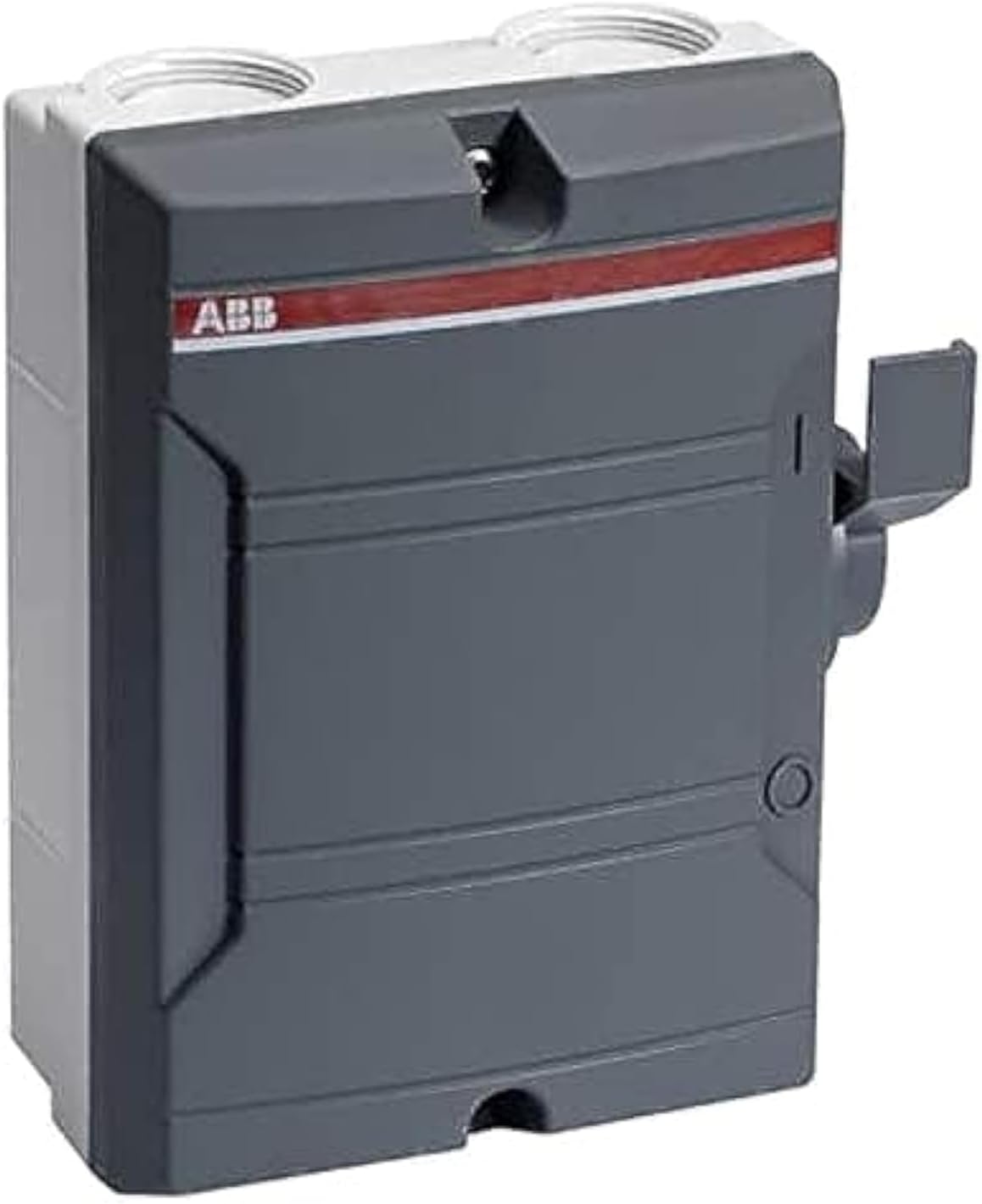
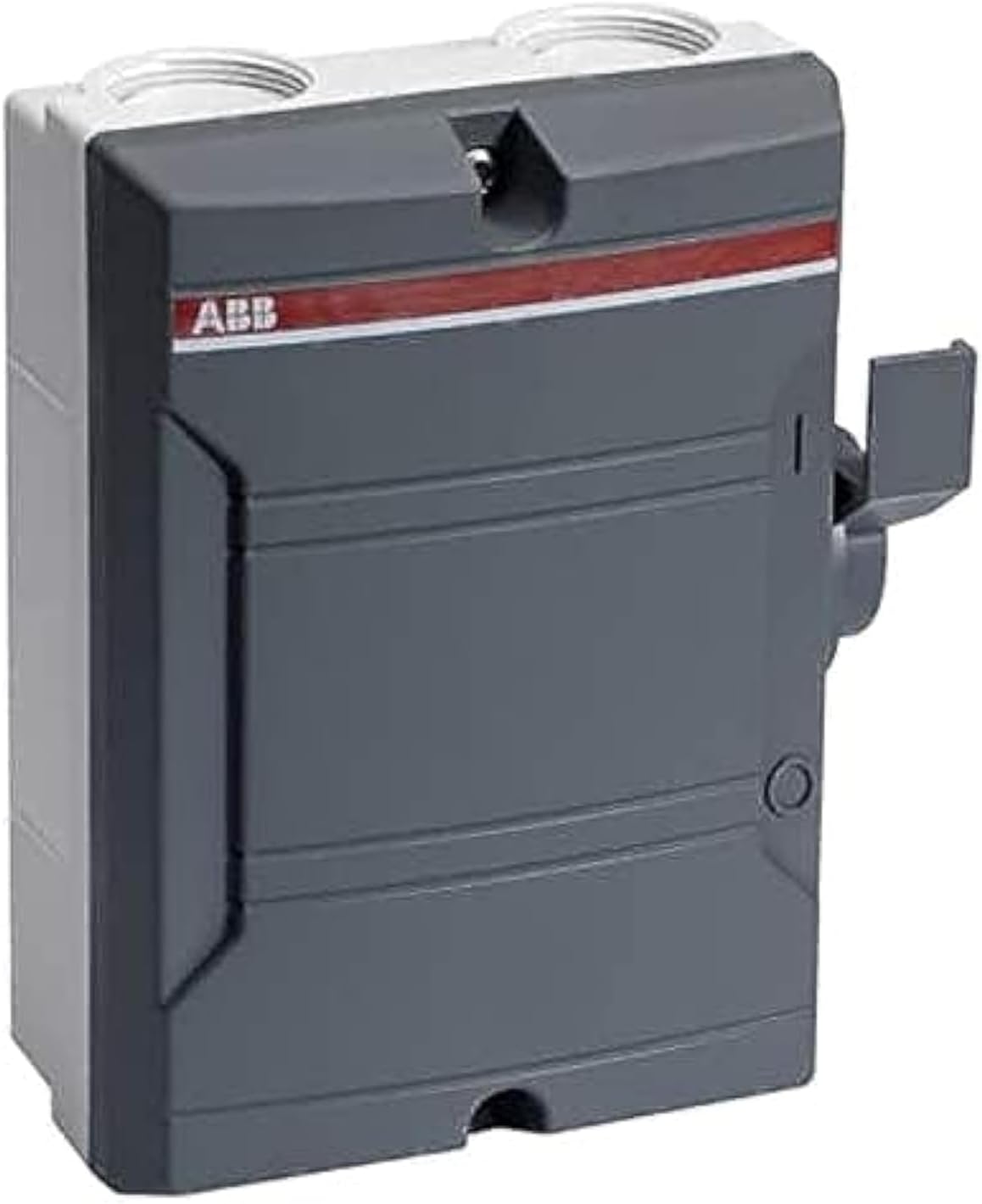
Unlike a circuit breaker, an isolator switch is not designed to interrupt fault current or protect against overload — its job is to provide a safe, manual, visible means of disconnecting power to a circuit or equipment so that maintenance or repair can be carried out safely. The ABB Isolator Switch 63A 3 Pole is a standard example, providing clear on/off indication and, importantly, a lockable position so that a technician working on equipment can physically prevent it from being accidentally re-energised while they are working.
Isolator vs Circuit Breaker: Not Interchangeable
It is worth being clear that an isolator and a circuit breaker serve fundamentally different purposes and are not substitutes for each other. A circuit breaker automatically protects against overload and fault current; an isolator provides manual, visible disconnection for safety during maintenance. Most well-designed installations include both — protective breakers for automatic fault response, and isolators positioned close to equipment for safe manual shutdown.
Types of Isolator Switches
- Rotary isolators: the most common type, offering clear visual indication of on/off position, like the Schneider Electric Isolator Switch 63A.
- Surface-mount enclosed isolators: weatherproof and impact-resistant, suited to industrial and outdoor locations — the 20A 440V Surface Mount Triple Pole Isolating Switch, IP66 is designed exactly for this kind of demanding environment.
- DIN rail isolators: compact units designed for panel-mounted installation alongside other DIN rail devices.
- Fused isolators: combine isolation with fuse protection in a single unit.

Understanding the IP Rating
Ingress Protection (IP) ratings indicate how well an enclosure resists dust and water — critical for isolators installed outdoors or in washdown industrial environments. The first digit indicates dust protection (0–6) and the second indicates water protection (0–9K). An IP66-rated isolator, for example, is fully dust-tight and protected against powerful water jets, making it suitable for outdoor UAE installations exposed to both sand and occasional heavy rain or washdown cleaning.
Where Isolators Are Required
Isolators are typically required or strongly recommended at the point of use for fixed equipment — air conditioning units, pumps, motors, machinery — so that maintenance personnel can isolate power at the equipment itself rather than relying solely on a distant distribution board. This local isolation is both a safety requirement in many jurisdictions and simple good practice, since it removes any ambiguity about whether power has genuinely been disconnected before work begins.
Choosing the Right Isolator
- Match the current rating to the equipment's full load current with an appropriate safety margin.
- Select the correct number of poles for single-phase or three-phase equipment.
- Choose an appropriate IP rating for the installation environment — higher for outdoor or washdown areas.
- Confirm the isolator is lockable in the off position for maintenance safety.
- Position the isolator for genuine visibility and easy access at or near the equipment it controls.
Frequently Asked Questions
Can an isolator switch replace a circuit breaker?
No — an isolator provides manual disconnection for safety, but does not provide automatic overload or fault protection, which a circuit breaker is specifically designed to do.
What does 'lockable' mean on an isolator?
It means the switch can be physically locked in the off position, typically with a padlock, preventing it from being switched back on while maintenance is being carried out — a key safety feature.
What IP rating do I need for outdoor use in the UAE?
IP66 is a common and suitable choice for outdoor UAE installations, offering full dust protection and resistance to powerful water jets.
Do I need an isolator for every piece of fixed equipment?
Good practice and many electrical codes require local isolation for fixed equipment like AC units, pumps and machinery — check specific requirements with a licensed electrician.
Genuine Isolator Switches, Fast UAE Delivery
Electrical Market UAE stocks a full range of isolator switches from ABB and Schneider Electric, including weatherproof IP66-rated outdoor units, all genuine and DEWA-compliant.
Isolators in Industrial and Commercial Settings
In industrial and commercial installations, local isolation at the point of equipment is often not just good practice but a specific safety requirement, particularly for machinery that requires maintenance or where lockout-tagout procedures apply. The ABB Isolator Switch 63A 3 Pole and similar devices are commonly specified precisely to support these formal safety procedures, giving maintenance personnel a clear, lockable point of isolation.
Common Mistakes When Specifying Isolators
A frequent mistake is specifying an isolator rated only for the equipment's normal running current without adequate margin, or choosing an indoor-rated isolator for what turns out to be an outdoor or washdown application, requiring later replacement with an appropriately IP-rated unit. Taking the time to correctly assess both the electrical rating and the environmental conditions at the specification stage avoids this costly rework.
Isolators as Part of a Complete Safety System
An isolator switch works best as part of a complete safety system alongside correctly sized protective devices like MCCBs and earth leakage protection — it is one layer of a properly designed installation, not a standalone safety solution. Thinking through the complete protection and isolation strategy for any installation, rather than any single device in isolation, is what genuinely produces a safe result.
Isolators for Solar and Renewable Installations
As solar installations become more common across the UAE, dedicated DC and AC isolators specifically rated for solar systems are an increasingly relevant category, sharing the same core safety principle as the general isolators covered in this guide — providing a safe, lockable disconnection point, in this case specifically for maintenance on solar equipment.
A Practical Buying Checklist
Before purchasing an isolator, confirm four things: the current rating matches your equipment's full load with appropriate margin, the pole configuration matches single-phase or three-phase requirements, the IP rating suits the installation environment, and the unit is genuinely lockable for maintenance safety. The ABB and Schneider Electric ranges available through Electrical Market UAE cover this full range of requirements across both indoor and demanding outdoor applications.
Final Thought on Isolator Placement
Beyond selecting the right device, where you physically install an isolator matters as much as the device specification itself. An isolator buried behind equipment or in a hard-to-reach location defeats much of its safety purpose — genuine accessibility, visibility and ease of operation should guide placement decisions as much as the technical rating.
Isolators as Standard Practice, Not an Extra
Rather than treating a local isolator as an optional add-on, the safest and most practical approach is to treat isolation at the point of use as standard practice for any fixed equipment installation. Whether it is a rotary isolator for indoor equipment or a weatherproof unit outdoors, this small addition to any installation pays for itself many times over the first time maintenance is genuinely needed.
Isolators and Warranty Compliance
For many pieces of fixed equipment, particularly air conditioning units and pumps, manufacturers specify local isolation as part of correct installation practice, and failing to install an appropriate isolator can occasionally affect warranty validity if a related electrical issue arises. Checking manufacturer installation requirements alongside general safety practice ensures you are covered on both fronts.
A Simple Rule of Thumb
If a piece of equipment is fixed in place, draws significant power, and will need maintenance at some point during its life, it almost certainly benefits from a dedicated local isolator. Applying this simple rule of thumb during installation planning, rather than retrofitting isolation later, is both cheaper and safer.
Closing Summary
Isolators like the ABB Isolator Switch are inexpensive relative to the equipment they protect and the maintenance safety they enable, making them one of the easiest safety upgrades to justify in any installation, residential or commercial.